
Nourishment After Pregnancy Loss: Supporting the Body’s Recovery
After miscarriage, the body has been through a great deal, much of it unseen.
There may be blood loss. Hormonal shifts. Exhaustion that feels disproportionate to what anyone else can observe. Emotional shock that lives not just in the heart, but in muscles, appetite, sleep, and breath.
In this season, nourishment is often about helping the body feel supported again. About giving it what it needs to recover and rebuild after sudden loss and strain.
Many people want to do things carefully. Thoughtfully. To eat in a way that helps the body feel more grounded, more capable, more resourced. That desire makes sense. The body has been asked to carry something profound, and then to let go. Food can be one quiet way of offering the body support during this time.
Let Food Be Supportive and Grounding
After miscarriage, appetite can change. Cooking may feel difficult. Decisions may feel heavier than usual. Even so, nourishment can still be intentional.
Often, the body responds best to food that is:
warm
familiar
easy to digest
substantial enough to feel supportive
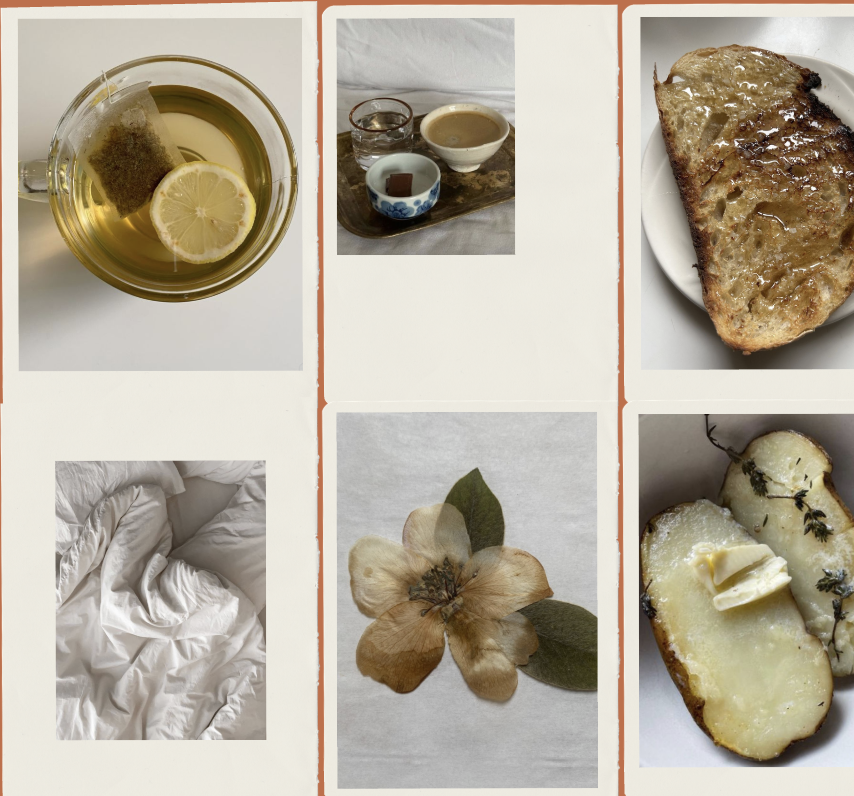
Soups, stews, eggs, toast, rice, potatoes, simple proteins, and gentle sweetness can all serve this purpose. Foods like these can feel easiest and comforting when the body is still recovering.
Even when meals are simple, they can still play a role in helping the body recover.
Iron and Protein: Quiet Support
After miscarriage, the body may need additional resources to recover from blood loss and physical strain. Iron- and protein-rich foods can be especially supportive, without needing to be emphasized or optimized.
Some people find themselves drawn to:
red meat or slow-cooked stews
chicken or bone broth
eggs
beans or lentils
leafy greens, if tolerated
Cravings and preferences during this time are often meaningful. They are often the body’s way of asking for what it needs to rebuild.
Hydration Matters, Gently
Hydration can be more supportive than expected during this time, especially when the body is tired or overwhelmed.
Sipping fluids throughout the day may feel easier than drinking large amounts at once.
Warm teas, water, coconut water, or broth can be both comforting and replenishing. Warmth, in particular, can feel kinder to a body that has been under stress.
Supplements: Practical Support for Recovery
For some, supplements can help support the body during recovery, especially when appetite is inconsistent or energy is low. These are not requirements, but tools that some people find helpful.
Commonly used options after miscarriage include:
Iron, particularly if blood loss was significant or iron levels are low
Magnesium, which may support muscle relaxation, sleep, and nervous system regulation
B vitamins, especially B12 and folate, which support red blood cell production and neurological health
Omega-3 fatty acids, which support inflammation balance and overall cellular repair
It’s always appropriate to check in with a healthcare provider, especially if you’re unsure what your body needs. And it’s equally appropriate to pause supplements if they feel like too much. Support should reduce strain, not add to it.
Nourishment as Repair
After pregnancy loss, nourishment is not about aesthetics or performance. It is about supporting repair.
Eating, drinking, resting - these are ways of helping the body recover from blood loss, hormonal shifts, and sustained stress. Small, consistent acts of care can help the body feel more resourced over time.
A meal. A glass of water. A warm drink before bed. These choices matter, even when they feel ordinary.
A Closing Note
The body knows how to recover, but it does not do so in isolation.
Food, hydration, rest, and gentle support all play a role.
Nourishment during this time is not about perfection. It is about offering the body what it needs to heal, patiently, thoughtfully, and with care.
Casa Sofia holds space for this kind of tending: slow, intentional, and deeply respectful of the work the body is doing.